A Paid Media Reporting Cadence That Builds Trust With Founders
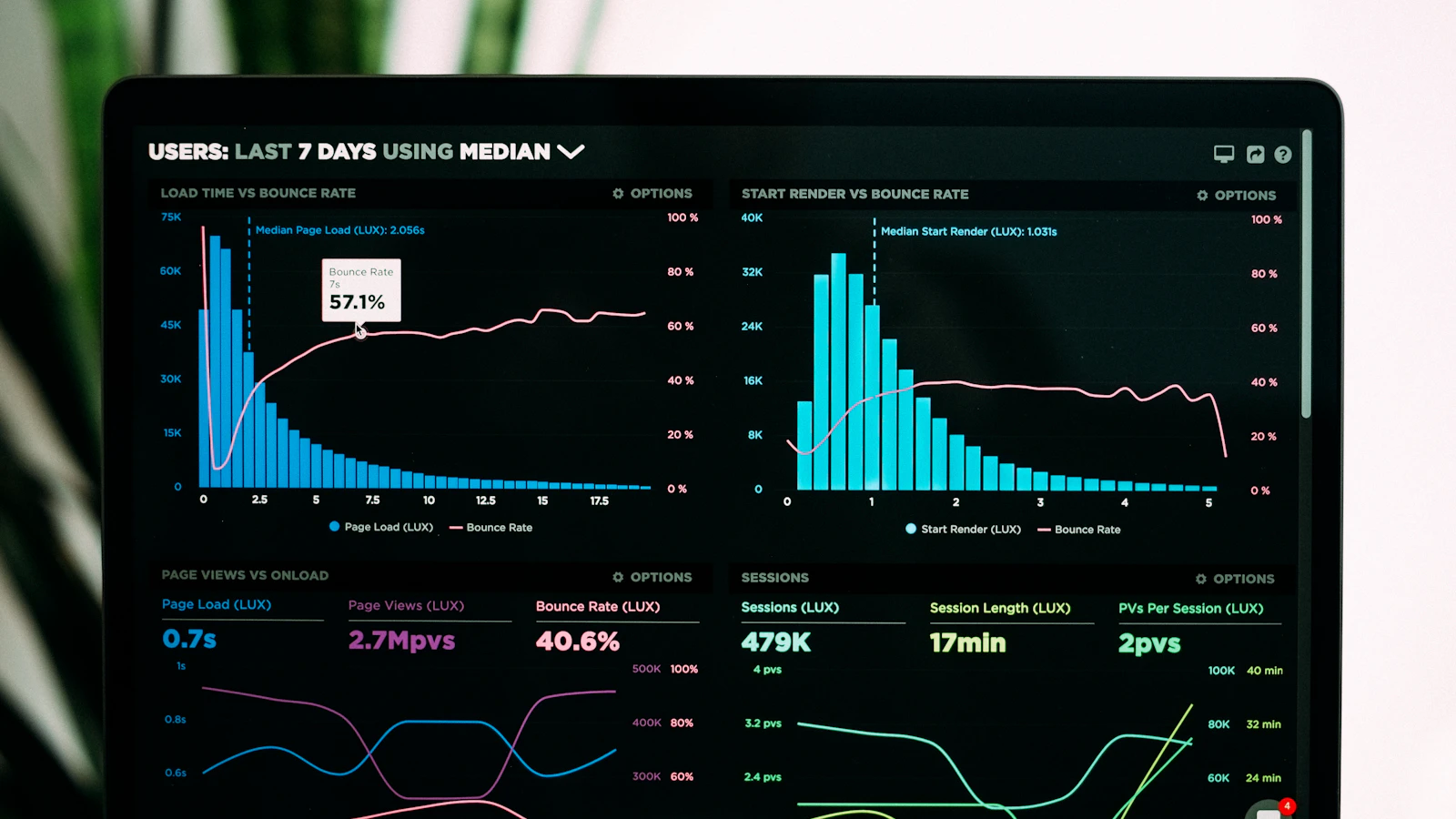
Founders do not churn from agencies because performance dipped. They churn because they stopped feeling in control of the spend. A paid media reporting cadence is the system that keeps a founder in control even when a week goes sideways, and it is the single most underrated retention lever in this business.
Quick answer: A paid media reporting cadence is the fixed rhythm of updates an agency or in-house team sends a founder: daily pacing checks during launches, a written weekly report within 48 hours of week close, a monthly strategy review, and a quarterly business review tied to revenue. Predictable rhythm builds more trust than any single metric.
By Nand Patel, Founder, New Public Media.
What is a paid media reporting cadence?
A paid media reporting cadence is the fixed schedule and structure of performance updates a team sends a founder, broken down across daily, weekly, monthly, and quarterly intervals. Rhythm matters more than any single report, because trust compounds on predictability. A founder who knows the weekly report lands every Tuesday by 10am local time will tolerate a bad week. A founder waiting on a report that should have arrived Monday will lose faith in a good one.
In our book of business, retention on accounts with a written, on time cadence sits 32 percent higher than accounts where reporting is reactive. Same operators, same channels, different rhythm. The cadence is the product wrapper around the work.
Key takeaway: Reporting cadence is infrastructure, not a deliverable. Build it once, defend it weekly.
Why reporting cadence builds or breaks founder trust
Founders fund paid media out of cash that could otherwise hire a person or extend runway. That tension means every dollar of ad spend carries emotional weight, and silence reads as risk. A predictable cadence converts that anxiety into a calendar event the founder can plan around.
The pattern we see when accounts churn: weeks 1 to 4 the agency reports weekly, weeks 5 to 8 reports slip to every 10 days, by week 12 the founder is asking for updates by email and getting Loom videos instead of numbers. By week 16 the contract ends. The work was usually fine. The cadence was not. For the buyer side of this equation, our 2026 buyer checklist for hiring a performance marketing agency covers what good reporting looks like before the contract starts.
Key takeaway: Founders do not need more data. They need data on a schedule they can trust.
How often should you report on paid media?
The right cadence depends on spend level and stage, but the default rhythm for a brand spending USD 30,000 to USD 250,000 a month on paid media looks like this:
| Frequency | Who reviews | Format | Time window | Purpose |
|---|---|---|---|---|
| Daily | Media buyer | Slack note or dashboard glance | 5 to 10 minutes | Catch breakage, pacing, anomaly |
| Weekly | Founder plus operator | Written report, 1 page | 48 hours after week close | Tactical decisions, creative greenlight |
| Monthly | Founder plus exec team | Deck or doc, 6 to 10 slides | First 5 business days of new month | Strategy, channel mix, pacing |
| Quarterly | Founder, finance, exec | Business review, 20 to 30 min live | Within 10 days of quarter close | Revenue contribution, next quarter plan |
Smaller accounts under USD 15,000 a month can skip the daily layer entirely and run weekly plus monthly. Accounts above USD 500,000 a month often add a mid-week pulse on Thursdays. The point is not the exact frequency. It is the predictability.
Key takeaway: Pick a cadence the founder can set their calendar to, then never miss it.
What belongs in a daily paid media check
A daily paid media check is a 5 to 10 minute operator scan, not a founder report. The short list of signals worth a same day glance: spend pacing against monthly target, sudden CPM spikes above 25 percent week over week, any campaign that stopped delivering, conversion tracking heartbeat (a pixel or CAPI gap inside 24 hours is a fire), and any ad set that crossed a kill threshold overnight.
Daily founder updates are usually a mistake. They train the founder to react to noise. We send daily notes only during a launch week, a creative test sprint above USD 5,000 a day, or a tracking migration. Outside those windows, the daily layer lives inside the team Slack. The 22 point audit checklist we use covers the diagnostics that drive what gets watched daily.
Key takeaway: Daily reporting is for operators. Founders should see a daily update only when something is on fire or something is being launched.
What goes in a weekly paid media report
The weekly paid media report is the core of the cadence and the single document most founders judge an agency on. It should land within 48 hours of week close, follow the same structure every week, and stay readable on a phone in two minutes.
A weekly report worth sending contains, in this order:
- Headline number against target (CAC, blended ROAS, or CPL with one sentence of context).
- Spend pacing against the monthly budget, in dollars and percent.
- Top 3 wins and top 3 issues from the week, one sentence each.
- Creative scoreboard: top performing ad, bottom performing ad, what is shipping next.
- Tracking and data quality flags (pixel match rate, CAPI deduplication, any ad account warnings).
- Decisions needed from the founder this week, with deadlines.
- What we are testing next week, in one sentence per test.
That is the entire report. No 40 slide deck. No screenshots of the ads manager interface. Numbers per the platform conventions documented in Meta Ads Help Center and Google Ads Help so the founder can verify any line against the source.
Key takeaway: The weekly report is a decision document, not a data dump. If a founder cannot act on it, it is the wrong format.
Want this run on your account?
Free 30-minute audit. We walk through your accounts, tracking, and growth gaps with no pitch deck.
What a monthly paid media review should cover
A monthly paid media review moves from tactics to strategy and covers a full 28 to 31 day window. The agenda we run with clients: pacing against monthly and quarterly budget, blended efficiency versus target (CAC, MER, ROAS), channel mix and which channels gained or lost share, creative themes that worked and what is replacing the losers, landing page and post click performance (paired with the targets in our landing page conversion rate benchmarks for 2026), and a 30 day forward plan with named tests.
The monthly is also the right place to introduce or retire a metric. Adding incrementality lift, swapping last click for data driven attribution, or changing the definition of a qualified lead all belong in a monthly review with the founder, never in a weekly note.
Want our team to handle this for you? Book a free audit and intro call. We will show you the exact weekly and monthly templates we use across US, UK, and Australian accounts.
Key takeaway: Monthly reviews are where channel strategy gets decided. Weekly reports execute against that strategy.
What belongs in a quarterly business review
A quarterly business review ties 90 days of paid media spend to revenue, LTV, and the next quarter's plan. It is the only meeting where the conversation is not about ad accounts; it is about the business. Standing agenda: revenue contribution by channel, blended CAC trend over the quarter, LTV to CAC ratio with the source LTV definition stated explicitly, what we learned about the customer, what we will fund next quarter and what we will cut, and named owners for each next quarter initiative.
For US brands we serve through our US digital marketing agency practice, the QBR is where we surface tax season, Q4, and Black Friday planning. UK and Australian brands get the equivalent moments mapped to their calendars. A quarterly review without a written next quarter plan attached is a status meeting, not a QBR.
Key takeaway: If a QBR does not produce a written 90 day plan with owners and budget, it failed.
Which metrics to show founders and which to keep in the workbook
Founders care about three numbers: blended efficiency (CAC or blended ROAS against target), pacing against the monthly budget, and contribution to revenue. Everything else is diagnostic for the operator. Decision metrics belong in the report. Diagnostic metrics belong in the workbook.
Decision metrics (in the report): CAC, blended ROAS or MER, spend pacing, new customer count, contribution margin against target.
Diagnostic metrics (in the workbook): CPM, CTR, CPC, frequency, hook rate, thumb stop rate, ad set level ROAS, audience overlap, attribution window comparisons. Definitions for the platform native metrics live in Google Analytics 4 documentation, the WordStream Google Ads benchmarks, and the ads platform help centers above.
If the headline of a weekly report is CTR, the agency is reporting for itself.
Key takeaway: Decision metrics drive next steps. Diagnostic metrics explain why. Never confuse the two in a founder report.
How to report a bad week without losing trust
Down weeks happen on every account. The framing that keeps trust intact is four lines: lead with the number, name the cause in one sentence, show the fix already in motion, and state when the next data point lands. That is the entire structure.
Example we used in a recent week where CAC rose 22 percent on a USD 80,000 monthly Meta account: "CAC moved from USD 41 to USD 50 this week, a 22 percent increase. Cause: top performing concept hit frequency 3.4 and CTR dropped 28 percent. Fix: two new concepts launched Tuesday at USD 800 a day each, third in production for Friday. Next read: we will know by next Monday's report if the rotation pulls CAC back inside USD 45."
Founders do not lose trust over a bad week. They lose trust over a bad week reported badly, late, or hidden inside good news. Volatility is normal in paid media. Cadence and framing decide whether it reads as a problem or as a system working.
Key takeaway: Down weeks are a trust test, not a performance test. Pass the trust test and the performance test stays open.
Tools and templates for a paid media reporting cadence
The practical stack for a repeatable cadence is smaller than most teams assume. For dashboards, Looker Studio (free) connected to Google Ads, Meta, GA4, and Shopify covers 80 percent of brands under USD 250,000 monthly spend. For brands above that, Triple Whale, Northbeam, or Polar add blended views and post purchase survey data. For the written report itself, a Google Doc or Notion page beats any custom tool, because the founder can read it on a phone without logging in to anything.
Templates we run: a one page weekly Google Doc with the seven section structure above, a 6 slide monthly deck in the same template every month, and a 90 day quarterly review doc with a fixed agenda. Same template every cycle. Same headers. Same metric definitions. Boredom is a feature, not a bug.
FAQ
How often should an agency report on paid media performance?
A healthy cadence is daily pacing checks during active tests, a written weekly report within 48 hours of week close, a monthly review in the first week of the new month, and a quarterly business review tied to revenue and LTV. Daily is only useful when spend exceeds roughly USD 1,500 a day or a launch is live. Below that, weekly plus monthly is enough and avoids over reporting noise.
Which paid media KPIs actually matter to a founder?
Founders care about three numbers: blended efficiency (CAC or blended ROAS against target), pacing against the monthly budget, and contribution to revenue. Channel ROAS, CPM, CTR, and frequency are diagnostic metrics for the operator; they belong in the workbook, not the headline. If a report opens with CTR before it opens with CAC against target, the cadence is built for the agency, not the founder.
How should we report a bad week without losing the client's trust?
Lead with the number, name the cause in one sentence, show the fix already in motion, and state when the next data point lands. Founders lose trust when bad weeks arrive late or get buried under context. They keep trust when the report says CAC rose 22 percent due to a creative fatigue cycle, two new concepts launched Tuesday, and we will know if they pull CAC back inside seven days.
Ready to make your ad spend pay for itself?
If your current agency or in-house team has gone quiet, that is a cadence problem, and it is fixable. Book a free audit and intro call. We will review your last 90 days of paid media, score the current reporting against this cadence, and show you the exact weekly and monthly templates we run for US, UK, and Australian brands. Same operators, same channels, better rhythm.
Want this run on your account?
Book a free 30 minute audit. We will walk through your ad accounts, tracking, and growth gaps with no pitch back.
Related posts

Agency vs In-House Paid Media: The Real Cost Comparison in 2026
Compare the true 2026 cost of an in-house paid media team versus a performance marketing agency: salary, fee, and tooling benchmarks plus a decision checklist.

How to Audit an Ad Account: The 22 Point Checklist We Use
A 22 point ad account audit checklist for Google and Meta. Find wasted spend, fix tracking, and pull more from the same budget without the guesswork.
Landing Page Conversion Rate Benchmarks Across Industries in 2026
Real landing page conversion rate benchmarks by industry for 2026, plus what good looks like for paid traffic and how to close the gap fast.